Where to Find Real Bistecca alla Fiorentina Without the Tourist Markup
- September 25, 2026
- Florence Dining , bistecca alla fiorentina
Almost every restaurant within five minutes of the Duomo has bistecca alla fiorentina on the menu, and almost none of them are selling you the real thing. A proper Florentine steak comes from Chianina beef, is cut at least a thumb's width thick, and is priced by weight rather than as a flat plate charge. Knowing that one detail before you sit down is the difference between a memorable meal and a tourist-priced disappointment.
What Bistecca alla Fiorentina Actually Is
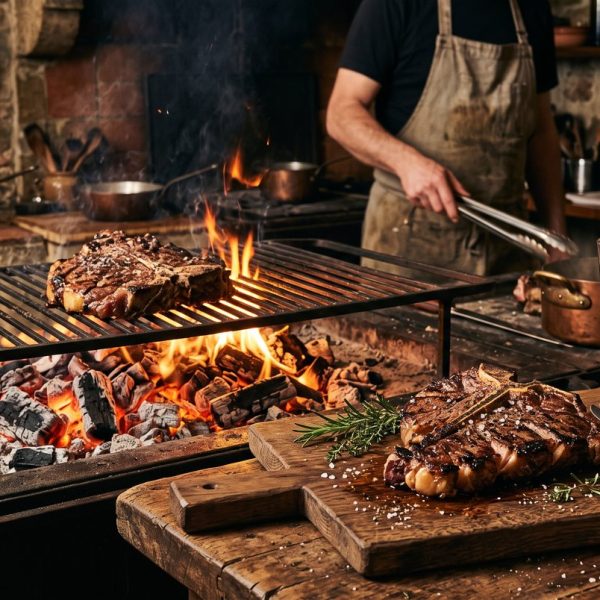
Bistecca alla fiorentina is a T-bone or porterhouse cut, traditionally from the white Chianina breed of cattle, grilled over a wood or charcoal fire and served extremely rare in the middle by design, not by accident. A real one is never cooked past that point, and asking for it well done is treated by most kitchens here the way asking to overcook a fine cut of tuna would be treated elsewhere. The steak is meant to be shared, since a proper cut typically runs a kilo or more and is priced accordingly, usually by the hectogram rather than as a single fixed number on the menu.
Spotting the Menus Built for Tourists
A few signs give away a restaurant that treats bistecca alla fiorentina as a tourist checkbox rather than a serious dish. If the menu lists a suspiciously exact, flat price for the steak instead of a per-hectogram rate, that is usually a smaller, lower-grade cut being sold at a markup. If the staff do not ask how you would like it cooked, or offer to cook it beyond rare without pushing back, that is another sign the kitchen is not treating the dish with the seriousness it deserves. A restaurant confident in its meat will usually let you see the cut before it goes on the grill.
Restaurants a short walk from the Duomo and Ponte Vecchio tend to charge the steepest premiums simply for the location, while places a ten or fifteen minute walk into quieter neighborhoods often serve the same quality, or better, for noticeably less. Locals rarely eat their bistecca within sight of the main tourist landmarks for exactly this reason.
What a Fair Price Actually Looks Like
Pricing in Florence for a genuine, Chianina-grade bistecca alla fiorentina typically runs by weight, and a two-person steak at a well-regarded, unpretentious trattoria should not carry a dramatically higher per-hectogram rate than its neighbors serving comparable quality. It is entirely reasonable to ask the price per hectogram before ordering, and any restaurant that hesitates to answer clearly is worth reconsidering. Locals treat this the way anyone would ask the price of a bottle of wine before it is opened, as ordinary due diligence rather than an awkward question.
Ordering Like Someone Who Has Done This Before
The steak is almost always meant to be split between two or more people, so ordering one per person is both unnecessary and expensive. A typical meal built around it starts with a simple plate of cured meats or a plain vegetable side, since the steak itself needs no elaborate sauce or seasoning beyond salt, olive oil and maybe a wedge of lemon. Asking for it any more done than rare, known locally as al sangue, tends to draw a polite but firm pushback from a kitchen that takes the dish seriously, since the cooking method depends on that internal temperature to keep the meat tender.
Travelers who want to brush up on a few ordering phrases before the trip, rather than relying entirely on pointing at the menu, often do well with one of the better language learning apps for a week beforehand. Knowing how to ask for a cut cooked rare, or to request the price per hectogram, goes a long way toward being treated as a guest who knows what they are doing rather than another tourist working from a translated menu.
Beyond the Steak Itself
A restaurant that gets bistecca alla fiorentina right usually gets the rest of the meal right too, since it signals a kitchen more interested in ingredients than in turning tables quickly. It is worth reading the full menu rather than skipping straight to the steak, since the same care shows up in smaller dishes that rarely make it onto an English-language tourist guide. For visitors who read Italian menus imperfectly, a good menu translation habit, even just photographing unfamiliar dishes and looking them up before ordering, prevents the kind of ordering mistakes that turn into an expensive surprise at the end of the meal.
Home cooks curious about the technique itself can find a clear breakdown of the dish's history and method on Wikipedia's entry on bistecca alla fiorentina, and travelers comparing notes on where to actually eat it tend to gather on r/florence, where recommendations skew heavily toward the neighborhoods locals actually use rather than the restaurants closest to the main sights.
Get those few details right, the cut, the price per hectogram, and the doneness, and a meal that could easily become the most overpriced part of a Florence trip turns into one of its highlights instead.